Unit pricing explained: the easiest way to save at the supermarket
If there’s one habit that saves you the most at the supermarket, it’s reading the unit price. It’s the small number on the shelf label that tells you what something costs per standard amount, such as per litre, per 100 grams or per item.
Why it matters
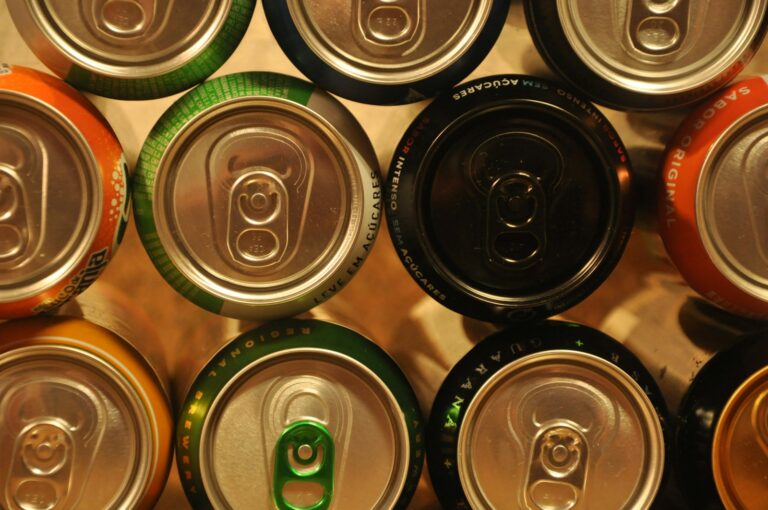
Pack sizes are all over the place. A 24-can slab, a 1.25L bottle and a 2L bottle of the same soft drink can all have very different costs per litre, and the biggest pack isn’t always the cheapest. The unit price lets you compare them fairly in a second.
Where to find it
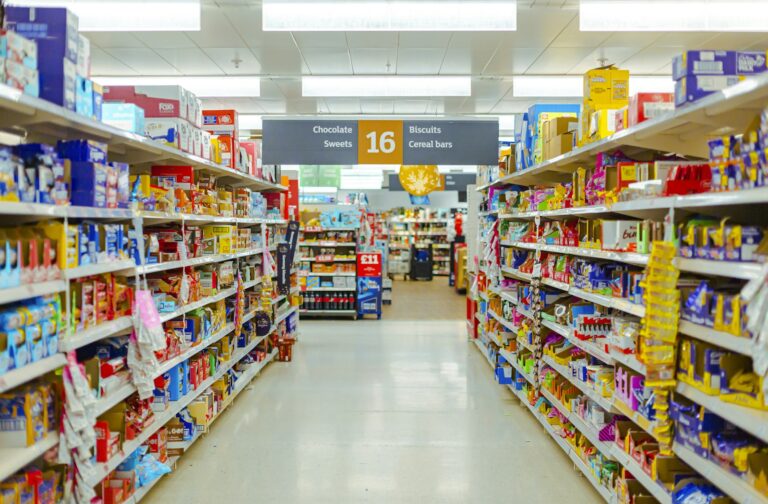
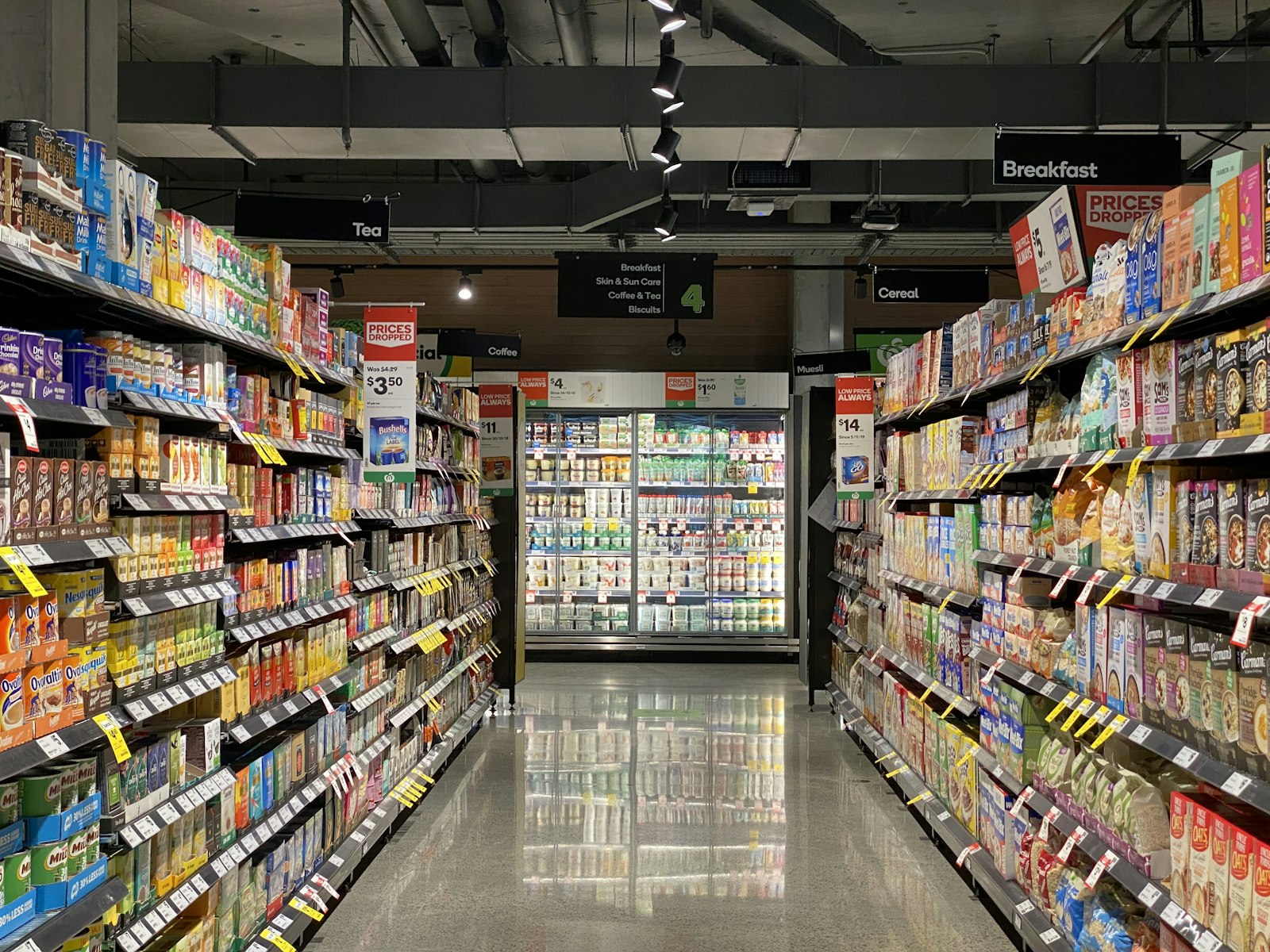
Large Australian supermarkets are required to show unit prices under the Grocery Unit Pricing Code. You’ll usually find the unit price in smaller print on the shelf label, near the main price. It’s also shown on the online shopping sites.
How to use it
- Compare across sizes. Check whether the bigger pack really is better value.
- Compare across brands. A home-brand product might be half the price per litre.
- Check the specials. A “2 for $X” deal is only good if its unit price beats the single price and the competition.
- Compare like with like. Make sure you’re comparing the same unit, such as per litre against per litre.
A quick soft drink example
Say a 375ml can costs $1.50. That’s $4.00 per litre. A 2L bottle of the same drink at $3.50 is $1.75 per litre, less than half the price. If you don’t need individual cans, the bottle is the clear winner.
Once you get into the habit, you’ll start noticing that the “special” isn’t always the best buy on the shelf.
Prices and specials change weekly and can vary by state and store. Always check the price at checkout. Some links on this site may be affiliate links, which means we may earn a small commission at no extra cost to you. Learn more.